De Viseu a Santiago de Compostela. Contributo para o estudo toponímico do Caminho Português do Interior
In Portugal, the pilgrimage to Santiago de Compostela has a long tradition and diversity, not only because of the many existing routes, but also because of the fact that Portugal is a transit territory for those coming from the regions of South Leon, Extremadura and Andalusia. The set of itineraries is, therefore, diversified, as highlighted by researchers (H. Baquero Moreno, Jaime Martins, A. M. Ribeiro da Cunha, among others). In recent decades, with the aim of revitalising regional culture and finding forms of cross-border cooperation, the old Jacobean routes have been revitalised, stimulating interest in local history and culture. This paper is a contribution to the toponymic study of one of these routes, called the Portuguese Inland Road to Santiago de Compostela. Therefore, a selection of names of villages between Viseu and Chaves, identified in the works of Arlindo M. Ribeiro da Cunha and Paulo Almeida Fernandes, are etymologically analysed. The diachronic distribution of the toponyms collected is also presented, by historical-linguistic strata, in the context of the linguistic history of mainland Portugal and neighbouring peninsular regions.
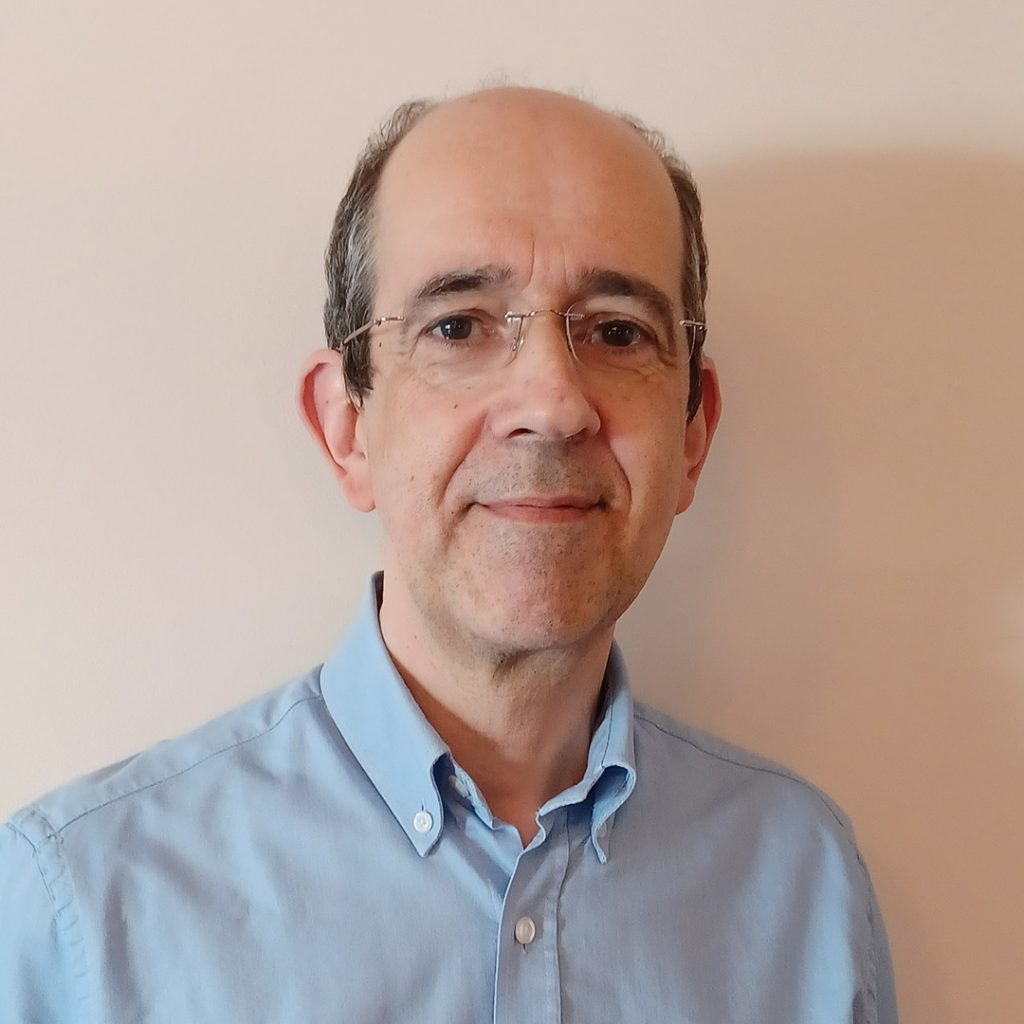
Carlos Rocha. Researcher at the Linguistics Centre of the University of Linguistics. PhD in Linguistics from the Faculty of Arts of the University of Lisbon, with a thesis entitled Etimologia dos hidrotopónimos de Portugal Continental. He is a secondary school teacher. Since 2005, he has been the executive editor of the portal Ciberdúvidas da Língua Portuguesa.