
Aqua dulcis et sana ad bibendum: la toponimia de las fuentes y manantiales en el Camino de Santiago
Along the Way of St. James, the Pilgrims’ Road to Santiago, we find a great linguistic plurality that includes both Romance languages and Basque. There are many toponymic references to fountains and springs, as water is always necessary for human life and was of the utmost importance for the pilgrim. Usually, together with the noun that designates this fountain, with different results, we find an adjective that describes its nature. We will give an account of the main of these characteristics, which clearly illustrate the qualities of this sweet and healthy water appreciated by our ancestors.
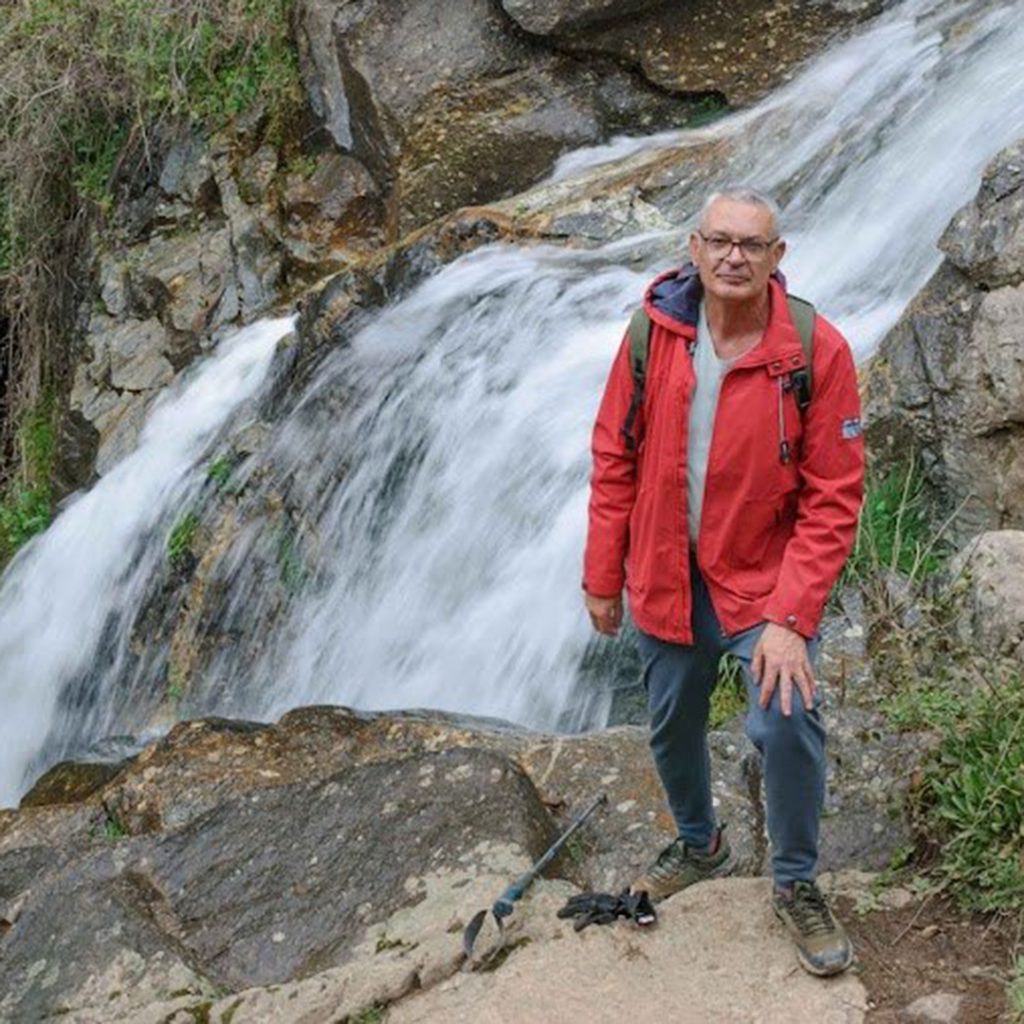
Emilio Nieto Ballester Emilio Nieto Ballester holds a PhD in Classical Philology from the Universidad Autónoma de Madrid. His research has focused mainly on the historical grammar and lexicon of the Italic languages (Latin, Osco-Umbrian, etc.), on Vulgar and Late Latin and on Spanish toponymy. He has collaborated in important collective works, is the author of two reference monographs on these subjects (Breve diccionario de toponimos españoles, Introducción a la etimología) and of dozens of research articles published in the best Spanish and foreign journals in these linguistic fields.